Halloween 2026 · Original mascot look
Haunted Unicorn Costume Generator with Your Face Visible
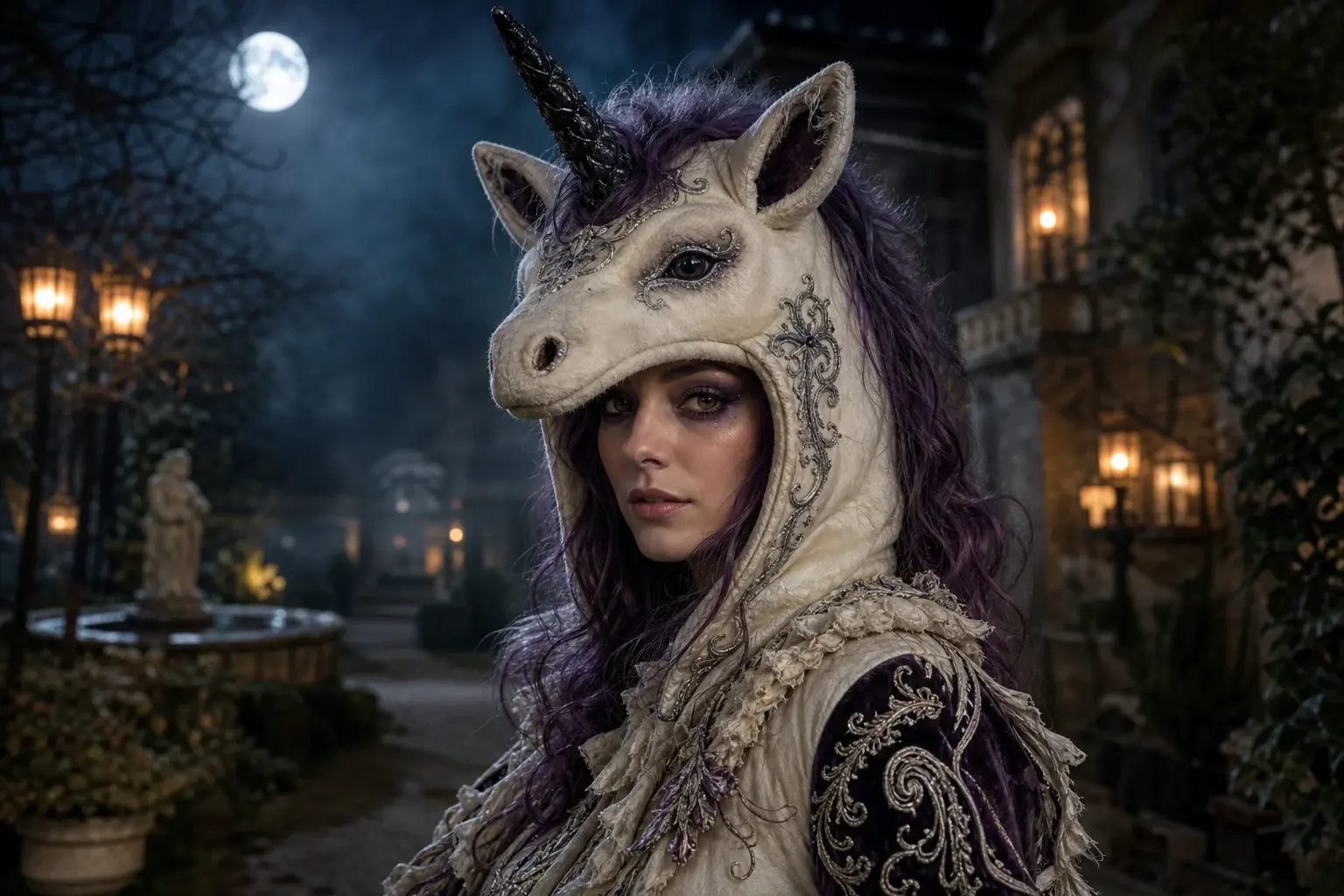
Trending unicorn mascot searches are a signal, not a licence to copy a film character. This page builds an original haunted unicorn costume around your own photograph and keeps the human face visible.
Credits are charged only when a model run starts. Failed jobs return credits automatically; completed jobs remain in your creations.
Ready-to-use prompt
The prompt is prefilled when you open a generator. Review it, add your own constraints, and keep the source photo unchanged.
Use the uploaded photo as the primary reference. Preserve the subject’s recognizable human face, facial proportions, skin tone and natural anatomy. Create an original haunted unicorn mascot costume portrait: a handcrafted ivory plush hood, a slender black horn, violet mane details and tarnished silver embroidery. Keep the person’s face visible beneath the hood rather than replacing the head. Place the subject in a moonlit Victorian garden with drifting fog and amber lanterns. Photorealistic editorial costume photography with believable plush texture, fabric seams and soft cinematic light. Keep the same number of people as the uploaded photo. Avoid copyrighted character designs, altered facial identity, extra people, extra limbs, distorted hands, text, logos and watermarks.
Useful exclusions: No extra people, changed identity, duplicated limbs, distorted hands, copied character designs, readable text, logos or watermarks.
What to watch for
This prompt creates an original mascot-inspired outfit. It does not name or reproduce a film, game or brand character, and it keeps the person’s face exposed.
Original costume language
Ivory plush, a slender horn and tarnished silver details create the mood without copying a specific mascot.
The human face stays visible
A full mascot head hides identity and often produces uncanny results. The hood frames the face instead.
Trend-aware, not trademark-safe by accident
The page deliberately avoids character names and protected visual designs. Still review your intended commercial use.
A reliable three-step run
Upload one clear photo with even light. For pets, keep the eyes and full face unobstructed. For couples, use two separate portraits if one group photo is not available.
Use photos and clips you have permission to edit. These are original costume interpretations; the page does not claim affiliation with any film, game, or character owner.
- 1
Use a clear, well-lit portrait
The hood will sit around the face, so hair and facial edges should be visible in the source.
- 2
Generate the costume before the fog
Check the hood shape, horn placement and face first. Add atmosphere only after the structure works.
- 3
Animate a small movement
A head turn and slow fog drift are enough. Large costume motion is more likely to break the plush shape.
Choose the engine that fits the job
Each button below opens a real generator. The price shown there is the current price for that run; this page does not reserve or spend credits.
Keep the same number of people as the source photo. Do not invent a third person, duplicate limbs, or replace the face with a different identity.
Edit a photo
Nano Banana through KIE for photo edits and identity-sensitive changes.
Open photo editorGenerate from text
Seedream through KIE for detailed costume and scene generation.
Open text generatorAnimate an image
Wan 2.5 through WaveSpeed for image-to-video and text-to-video clips.
Animate this lookRemix motion
Wan Animate for motion transfer and clip-based character remixing.
Remix a clipThree ways to make the idea real
Choose a look, open it with the matching prompt, upload a photo you own, and review the generated result before spending more credits.
Related Halloween looks
All Halloween looks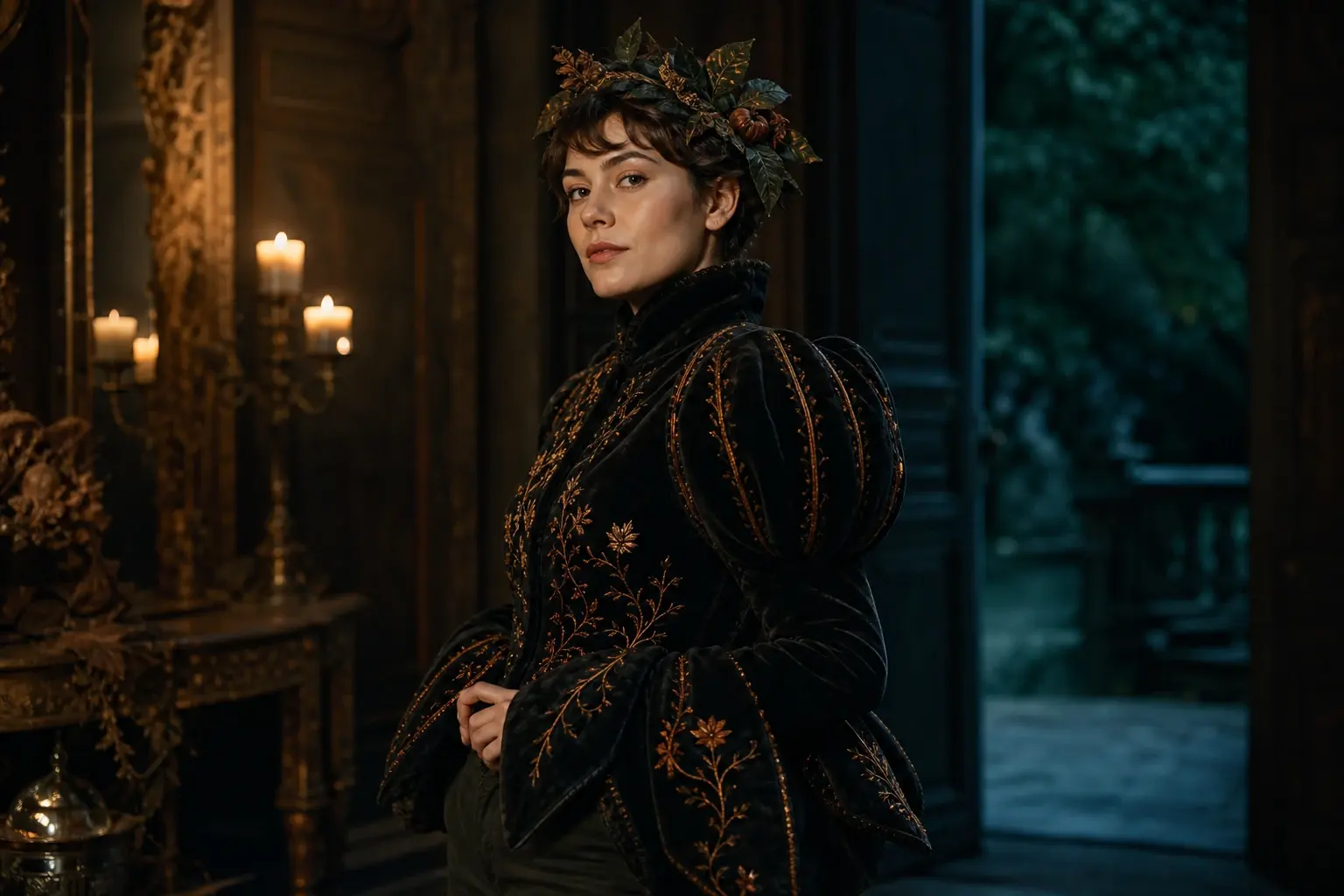 Photo edit
AI Halloween Costume Generator for Your Own Photo
Start with a photo you own, keep the person recognizable, and explore a wearable costume before you buy or build one. This page connects the trend to a real photo editor and a separate image-to-video workflow.
 Portrait
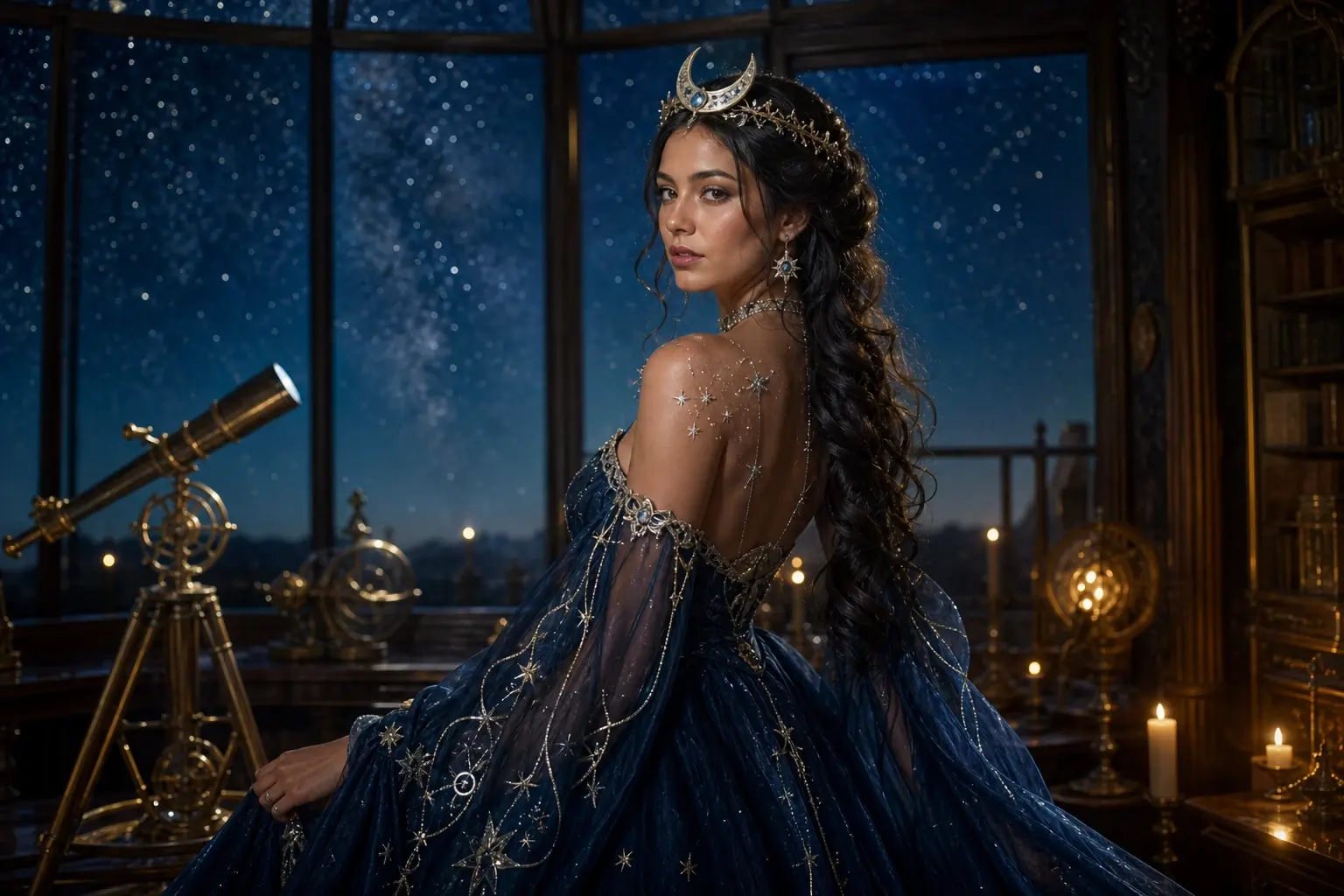
Cosmic Princess Halloween Portrait with a Glowing Gown
This look replaces the outfit and room while keeping the person anchored. Use it for a starry princess concept without copying a specific game or film costume.
 Portrait
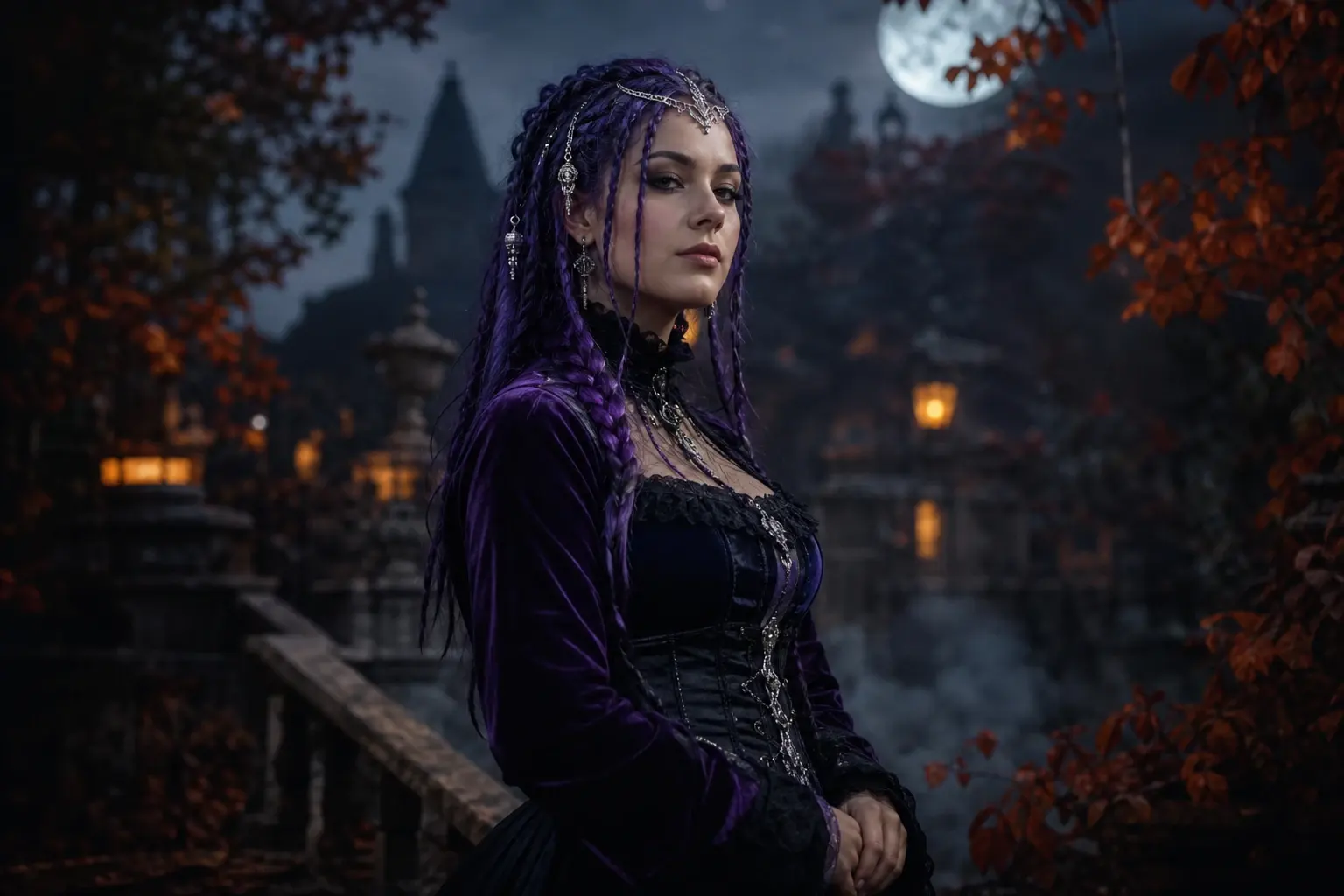
Midnight Braids Halloween Portrait with Violet Braids
A braided Halloween look can change the silhouette without hiding the face. This preset adds long violet braids, silver hair jewellery and a black-purple velvet outfit in a moonlit garden.
Questions before you generate
Is this affiliated with a specific unicorn movie?
No. The look is an original haunted unicorn mascot concept. The page does not claim affiliation with, or reproduce, any film or character owner’s design.
Can the face be fully covered?
The prompt is designed to keep it visible. A fully covered face makes identity impossible to judge and creates a different, more uncanny image.
Can I use the image as a costume reference?
You can use it as a private visual reference, but a real costume maker will still need measurements, materials, safety constraints and a physical fitting.
Why keep the face?
It preserves the social value of the photo and makes the result easier to review. A person should still recognize themselves in the output.